Ginkgo Biloba vs Zinc for Hearing Support: Which Ingredient Does What?
| Ginkgo biloba | A botanical traditionally used to support healthy blood flow to the ears and brain — circulation support. |
| Zinc | An essential mineral tied to nerve function, immune health and inner-ear biology — a common dietary gap. |
| Better together | They do different jobs, so good ear-and-brain formulas often include both rather than pick one. |
| Timeframe | Support builds gradually over weeks — treat it as maintenance, not a quick fix. |
| Safety first | Ginkgo can interact with blood thinners; too much zinc affects copper balance. Ask a professional. |

Before anything else: new, sudden or one-sided hearing loss or ringing in the ears needs a doctor urgently. Sudden hearing loss is treated as a medical emergency, and one-sided or pulsatile symptoms can point to a cause that needs treating. Dietary supplements are not a treatment, cure or preventative for tinnitus or hearing loss, and nothing on this page should delay a professional assessment. See the NIDCD guidance on tinnitus for when to seek help.
Ginkgo biloba vs zinc: asking the right question
Scan any hearing support formula and two names appear again and again: ginkgo biloba and zinc. Shoppers often assume they are rivals and try to pick a winner. But framing it as ginkgo biloba vs zinc for hearing support misses the point — they are not two versions of the same thing. One is a circulation botanical; the other is an essential mineral your whole body needs. Understanding what each does is the key to reading a label well and knowing why the best formulas tend to carry both.
This guide breaks down each ingredient, sets them side by side, and explains how they fit into a complete ear–brain approach. It builds on our buyer's guide to choosing a hearing support supplement, and on the ingredient overview in how to support healthy hearing naturally.
Ginkgo biloba: the circulation botanical
Ginkgo biloba is one of the oldest and most-studied plants in herbal medicine, and its calling card is circulation. It is traditionally used to support healthy blood flow, including to the small vessels that feed the ears and brain. That matters because the inner ear is one of the most blood-hungry structures in the head — the tiny hair cells that translate sound into signals need a steady supply of oxygen and nutrients to keep firing cleanly.
Because of this circulation role, ginkgo anchors the majority of ear-and-brain blends on the market. It is often paired with calming botanicals so a formula supports both the physical delivery of nutrients and the nervous-system side of hearing. Ginkgo is generally well tolerated, but it can have a mild blood-thinning effect, which is the main reason to check with a professional before starting — especially if you take anticoagulants or are heading for surgery.
Zinc: the essential mineral
Zinc is a different kind of ingredient entirely. It is an essential trace mineral, meaning your body cannot make it and must get it from food or supplements. Zinc is involved in hundreds of processes, including nerve signalling and immune health, and it has a recognised role in inner-ear biology. It also happens to be a mineral a lot of people fall short on, which is part of why it shows up so often in ear-focused formulas.

You can get plenty of zinc from food — shellfish, red meat, pumpkin seeds, legumes and nuts are all good sources — and food first is a sound principle. A supplement is most useful when your diet leaves gaps. The caution with zinc runs the other way from ginkgo: rather than interactions, the concern is overdoing it. Very high doses taken over a long period can upset copper balance and cause nausea, so sensible amounts matter.
Side by side: ginkgo biloba vs zinc
Comparing them fairly means comparing their evidence as well as their roles, and on the specific question of tinnitus both have been reviewed and neither came out ahead. Cochrane’s assessment of Ginkgo biloba for tinnitus (2022) found the evidence too uncertain to draw a conclusion, and its review of zinc supplementation for tinnitus (2016) found no clear benefit. A 2025 overview of systematic reviews in Phytomedicine covering the standardised ginkgo extract EGb 761 across many conditions shows the same pattern: promising in places, inconsistent overall.
Comparing them fairly means comparing their evidence as well as their roles, and on the specific question of tinnitus both have been reviewed and neither came out ahead. Cochrane’s assessment of Ginkgo biloba for tinnitus (2022) found the evidence too uncertain to draw a conclusion, and its review of zinc supplementation for tinnitus (2016) found no clear benefit. A 2025 overview of systematic reviews in Phytomedicine covering the standardised ginkgo extract EGb 761 across many conditions shows the same pattern: promising in places, inconsistent overall.
- ✓ Type: Ginkgo is a botanical extract; zinc is an essential mineral.
- ✓ Main role: Ginkgo supports circulation to the ears and brain; zinc supports nerve function and inner-ear biology.
- ✓ Dietary angle: You do not eat ginkgo as food, but zinc comes readily from a varied diet.
- ✓ Main caution: Ginkgo can thin the blood; zinc can be overdone. Different risks, both manageable.
- ✓ Verdict: Not competitors — complementary. Each covers a gap the other does not.
Ginkgo, zinc and more — in one daily blend
MindSilence brings ginkgo biloba together with calming passion flower, valerian root and a supporting mineral blend in a single daily capsule — so you get the whole ear–brain picture, backed by a 365-day money-back guarantee.
See MindSilence Packages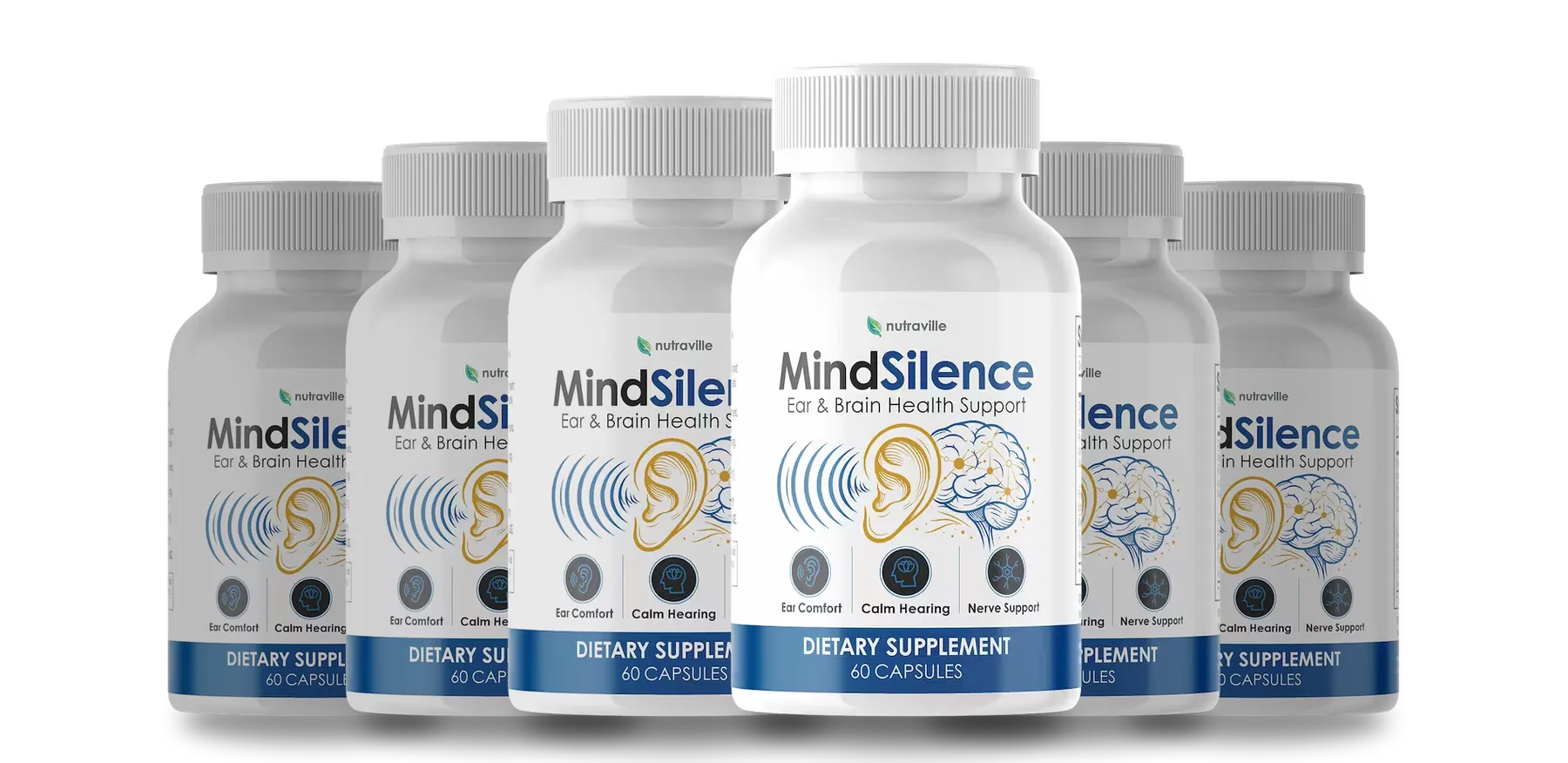
Why the best formulas combine them
Once you see that ginkgo and zinc do different jobs, the reason good formulas include both becomes obvious. Hearing depends on several systems at once: the circulation that feeds the inner ear, the nerves that carry its signals, and the general nutrient status that keeps the whole machine running. Ginkgo supports the first, zinc supports the second, and a nutrient-dense diet supports the third. A formula that picks only one leaves a gap.
This is also why the strongest ear-and-brain products go beyond just these two, adding calming botanicals such as passion flower and valerian root to address the nervous-system side of hearing — the part that decides how much attention a faint ringing gets. A capsule cannot out-perform the basics, but a well-built blend gives the system a broad base of daily support.
How to use ginkgo and zinc sensibly
- ✓ Food first. Aim to get zinc from a varied diet, and use a supplement to cover the gaps.
- ✓ Mind the interactions. Tell your doctor about ginkgo if you take blood thinners or are due for a procedure.
- ✓ Do not mega-dose zinc. More is not better; stick to the amount on the label.
- ✓ Be consistent. Support builds over weeks, so a daily habit beats occasional big doses.
- ✓ Pair with habits. Protect your ears from loud noise, move daily, and sleep well.
Deciding whether a formula that combines these is worth it? Our piece on whether hearing support supplements are worth it weighs it up, and you can see how MindSilence combines ginkgo, calming botanicals and minerals on the homepage.
Common myths about ginkgo biloba and zinc
Because both ingredients are so widely marketed, a fair amount of misinformation travels with them. Clearing up the most common myths makes it easier to read a label without being swept along by the copy.
Myth: more ginkgo means faster results. Botanical support does not scale with dose the way people assume, and piling on more ginkgo can raise the risk of its blood-thinning effect rather than speeding anything up. A sensible, standardised amount taken consistently beats a heroic dose taken erratically.
Myth: zinc will fix ringing on its own. Zinc is important, but it is one input among many. If your levels are already adequate, extra zinc does not add benefit — and long-term high doses can backfire by depleting copper. Zinc earns its place as part of a balanced formula, not as a solo cure.
Myth: natural means risk-free. Both are natural, and both still have real cautions — interactions for ginkgo, over-supplementation for zinc. "Natural" is a description, not a safety guarantee, which is why a quick word with a pharmacist is always worthwhile.
Where these ingredients fit in a bigger picture
Neither ingredient is a treatment, and the sensible place for both is inside a broader routine — hearing protection, blood-pressure and blood-sugar control, sleep, and a professional assessment of anything new. If your reason for reading this is ringing in your ears, the honest picture is set out in our guide to whether hearing supplements help with tinnitus. If you are simply deciding what to buy, the practical differences between forms are covered in hearing supplement capsules versus gummies, because a gummy rarely carries a meaningful botanical dose.
Neither ingredient is a treatment, and the sensible place for both is inside a broader routine — hearing protection, blood-pressure and blood-sugar control, sleep, and a professional assessment of anything new. If your reason for reading this is ringing in your ears, the honest picture is set out in our guide to whether hearing supplements help with tinnitus. If you are simply deciding what to buy, the practical differences between forms are covered in hearing supplement capsules versus gummies, because a gummy rarely carries a meaningful botanical dose.
It helps to remember that ginkgo and zinc are supporting players, not the whole show. The biggest levers for long-term hearing remain the unglamorous ones: protecting your ears from loud noise, keeping your circulation moving, sleeping well and eating a colourful, whole-food diet. Ginkgo supports the circulation side, zinc helps cover a common nutrient gap, and calming botanicals settle the nervous-system side — but none of them replaces the foundation. Think of a good blend as the final layer on habits you have already built, giving a nutrient-hungry system a broad, steady base of daily support.
FAQ
Is ginkgo biloba or zinc better for hearing support?
Neither is simply better because they support different things. Ginkgo biloba is traditionally used to support healthy blood flow to the ears and brain, while zinc is a mineral tied to nerve function and immune health that many people fall short on. That is why thoughtful ear-and-brain formulas often include both rather than forcing a choice between them.
Can you take ginkgo biloba and zinc together?
Yes, they are commonly combined in the same hearing support formula because their roles complement each other. As with any supplement, check with your doctor or pharmacist first, particularly because ginkgo can interact with blood thinners and high-dose zinc taken long term can affect copper balance.
How long does it take to notice a difference?
Botanical and mineral support builds gradually rather than overnight, which is why most routines are given a consistent run of several weeks or more. Think of ginkgo and zinc as part of ongoing maintenance for the ear-brain system, not a quick fix, and pair them with protective habits and a nutrient-dense diet.
Can you get enough zinc from food instead?
Many people can. Good dietary sources include shellfish, red meat, pumpkin seeds, legumes and nuts. A supplement is useful when your diet leaves gaps, but food first is a sensible principle. If you are unsure about your zinc status, ask your doctor rather than guessing at a high dose.
Are there side effects to watch for?
Both are generally well tolerated at typical amounts. Ginkgo may thin the blood slightly, so it matters if you take anticoagulants or are due for surgery. Too much zinc over time can upset copper balance and cause nausea. Stick to sensible amounts, follow the label, and talk to a professional if you take medication or have a health condition.
References
- ✓ Sereda M, et al. — Ginkgo biloba for tinnitus. Cochrane Database of Systematic Reviews, 2022.
- ✓ Person OC, et al. — Zinc supplementation for tinnitus. Cochrane Database of Systematic Reviews, 2016.
- ✓ Overview of systematic reviews — Ginkgo biloba leaf extract EGb 761 for the treatment of various diseases. Phytomedicine, 2025.
- ✓ National Center for Complementary and Integrative Health — Ginkgo: uses, evidence and safety.
- ✓ NIH Office of Dietary Supplements — Zinc fact sheet.
- ✓ NIH Office of Dietary Supplements — Magnesium fact sheet.
- ✓ National Institute on Deafness and Other Communication Disorders — Tinnitus: causes and when ringing needs assessment.
† These statements have not been evaluated by the Food and Drug Administration. This product is not intended to diagnose, treat, cure or prevent any disease. This article is for general information only and is not medical advice; consult a qualified professional about your own hearing.