Hearing Supplements vs Hearing Aids: How They Differ and How to Decide
| Different jobs | A hearing aid amplifies sound for measured hearing loss; a hearing supplement supports the ear–brain system with nutrients over time. |
| Not either-or | They solve different problems, so many people benefit from using both rather than choosing between them. |
| Start here | Get a hearing test first — it tells you whether you need a device, a supplement, or both. |
| Cost | A supplement costs a fraction of a fitted device, but price should never decide an amplification need. |
| Safety | Check with a professional before combining, since some botanicals can interact with medications. |
Before anything else: new, sudden or one-sided hearing loss or ringing in the ears needs a doctor urgently. Sudden hearing loss is treated as a medical emergency, and one-sided or pulsatile symptoms can point to a cause that needs treating. Dietary supplements are not a treatment, cure or preventative for tinnitus or hearing loss, and nothing on this page should delay a professional assessment. See the NIDCD guidance on tinnitus for when to seek help.
Hearing supplements vs hearing aids: two tools, two jobs
One of the most common questions people ask when their hearing starts to change is whether a daily supplement could save them from ever needing a hearing aid. It is a reasonable hope, but it starts from a misunderstanding: hearing supplements vs hearing aids is not really a contest, because the two do fundamentally different things. Confusing them leads to the two worst outcomes — skipping a device you genuinely need, or expecting a capsule to do a job it was never built for.
This guide lays out exactly what each one does, where they overlap, and how to decide. If you are still deciding whether a supplement belongs in your routine at all, our companion piece on whether hearing support supplements are worth it is a useful next read, and our overview of how to support healthy hearing naturally covers the habits both approaches sit on top of.
What a hearing aid actually does
A hearing aid is a regulated medical device that amplifies and shapes sound to match the specific frequencies you have lost, and it is the only one of the two that has been tested in large randomised trials. In the ACHIEVE trial, a secondary analysis published in the Journal of the American Geriatrics Society (2024) found that hearing intervention improved communicative function, and a further analysis in Alzheimer’s & Dementia (2025) reported that cognitive benefits of hearing intervention varied by a participant’s risk of cognitive decline. Nothing in the supplement aisle has that kind of evidence behind it. The NIDCD guide to hearing aids explains how fitting works.
A hearing aid is a regulated medical device. It sits in or behind the ear, picks up sound through a microphone, processes it with a small computer, and delivers amplified, tuned sound into your ear canal. Modern aids are sophisticated: they can raise quiet speech, dampen background roar, and adjust automatically as your surroundings change. Crucially, a hearing aid is fitted to your measured hearing — an audiologist programs it to the specific frequencies where your hearing has dropped.
What a hearing aid does not do is change the underlying biology of your ears. It compensates for hearing loss in the moment; take it out, and the loss is still there. That is not a criticism — it is simply the category. For measured, significant hearing loss, a properly fitted device is the tool that restores day-to-day function, and nothing you swallow replaces it.
What a hearing support supplement actually does
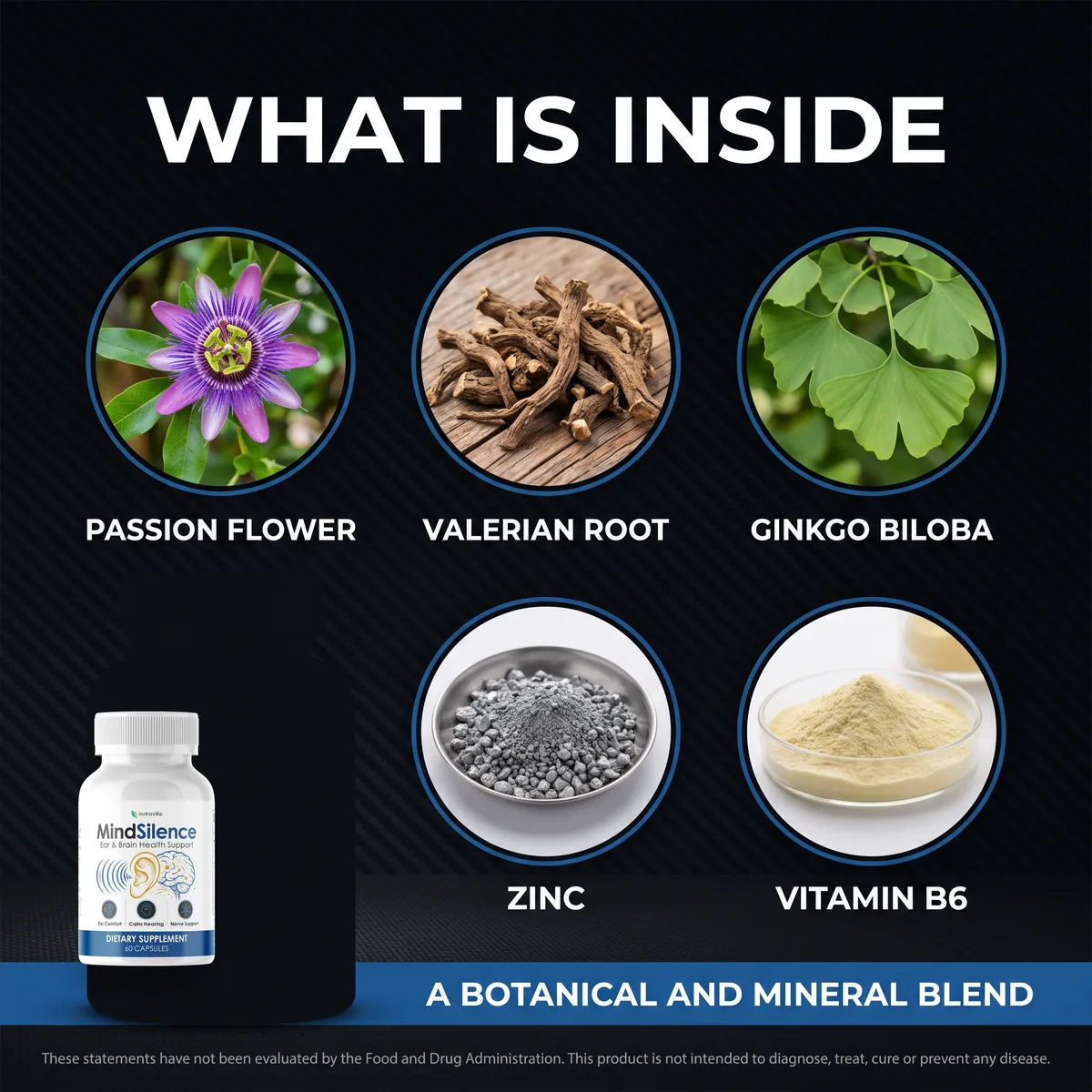
A hearing support supplement works from the inside and over a longer horizon. Rather than amplifying sound, it supplies nutrients and botanicals that traditional use and research link to the ear–brain system: circulation-supporting herbs such as ginkgo biloba, calming botanicals such as passion flower and valerian root, and minerals such as magnesium and zinc. The aim is general, everyday support — healthy circulation to the ears, a calmer nervous system, and the raw materials a nutrient-hungry system runs on.
A supplement makes no claim to amplify sound or reverse hearing loss, and any that does should be avoided. What it can do is support the environment your hearing depends on — which is why so many people take one as a maintenance habit rather than a treatment. If you want to understand which ingredients pull which weight, our breakdown of ginkgo biloba vs zinc for hearing support goes deeper.
Side by side: how they compare
- ✓ Purpose: Hearing aids amplify sound now; supplements support the ear–brain system over time.
- ✓ How you get one: Aids are fitted by an audiologist after a hearing test; supplements are bought over the counter.
- ✓ What they act on: A device acts on the sound reaching your ear; a supplement acts on circulation, calm and nutrient status.
- ✓ Timeframe: Amplification is instant; nutritional and botanical support builds gradually over weeks.
- ✓ Cost: A fitted device is a significant one-time investment; a supplement is a modest ongoing cost.
- ✓ Best for: Measured hearing loss calls for a device; everyday support and general ear-brain health suit a supplement.
Everyday ear & brain support, made simple
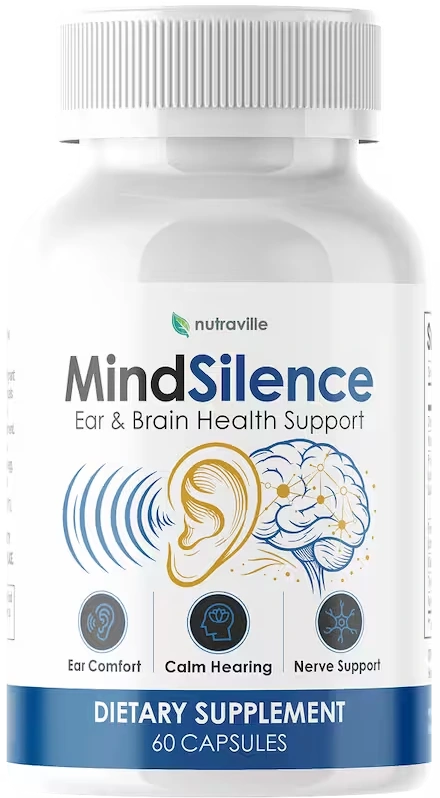
MindSilence puts ginkgo biloba, passion flower, valerian root and a calming botanical-and-mineral blend into one daily capsule — a simple maintenance habit backed by a 365-day money-back guarantee.
See MindSilence Packages
Why it is not an either-or decision
The framing of hearing supplements vs hearing aids as rivals is a marketing invention. In real life, the two often work best together. Someone with measured hearing loss might wear a device for daily conversation while taking a supplement as background support for circulation and calm. Someone in their fifties with no measured loss might use a supplement plus protective habits to look after a system they want to keep for decades — and get their hearing tested regularly so that, if a device is ever needed, they catch it early.
The habits that support both are the same ones: protecting your ears from loud noise, keeping your circulation moving, managing stress and sleep, and eating a nutrient-dense diet. A supplement and a device are just two different tools you can add on top of that foundation.
How to decide what you need
The decision is simpler than the marketing makes it sound: if you are missing words, book a hearing test, because measured hearing loss is a device question and no capsule addresses it. If your hearing tests normally but your ears feel busy or noisy and you want a general wellness habit, a supplement is a low-stakes option with modest and unproven expectations — the Cochrane review of Ginkgo biloba for tinnitus (2022) is the honest baseline for what to expect. Doing both is entirely reasonable; doing only the second while avoiding the first is the mistake worth avoiding.
The decision tree is short and starts in the same place for everyone.
- ✓ Get a baseline hearing test. It is the single most useful thing you can do, and it tells you whether amplification is on the table.
- ✓ If a test shows meaningful loss, talk to an audiologist about devices — a supplement is not a substitute for the amplification you need.
- ✓ If your hearing tests fine but you want to look after it, a daily supplement plus protective habits is a sensible maintenance routine.
- ✓ If you mostly notice ringing or ear noise, a professional can help find the cause; calming, circulation-supporting habits and supplements may help alongside their advice.
- ✓ Always flag any sudden or one-sided change to a doctor promptly, whichever route you are on.
If you land on adding a supplement, our buyer's guide to choosing a hearing support supplement helps you pick a good one, and you can see how MindSilence is put together on the homepage.
FAQ
Can a hearing supplement replace a hearing aid?
No. A hearing aid is a medical device that amplifies sound in real time for measured hearing loss, while a hearing support supplement supplies nutrients and botanicals that support the ear-brain system over time. They do different jobs. If a hearing test shows you need amplification, a supplement is not a substitute for a device fitted by an audiologist.
Can you use a hearing supplement and a hearing aid together?
Often, yes. Many people use a hearing aid for day-to-day amplification and take a daily supplement as general support for circulation, calm and everyday ear comfort. Because some botanicals such as ginkgo can interact with medications, check with your doctor or audiologist first so the two work together safely.
Which is right if I mostly notice ringing in the ears?
Ringing, or tinnitus, is a symptom rather than a disease, and it is often influenced by stress, sleep and circulation. Some people find calming, circulation-supporting supplements help the noise fade into the background of their attention, while others benefit from sound therapy or a device. A professional assessment is the best way to find the cause and the right combination for you.
Are hearing supplements cheaper than hearing aids?
Generally a daily supplement costs a fraction of a fitted hearing aid, but they are not competing on price because they solve different problems. Think of a supplement as ongoing everyday support and a hearing aid as a device for measured hearing loss. Cost should not be the reason you skip an amplification device you actually need.
How do I decide between them?
Start with a hearing test. If it shows meaningful hearing loss, an audiologist can advise on devices. Alongside that, a daily supplement plus protective habits can support long-term ear and brain health. For many people the honest answer is not either-or but both, each doing the job it is built for.
References
- ✓ Secondary analysis of the ACHIEVE randomized controlled trial — Effect of hearing intervention on communicative function. Journal of the American Geriatrics Society, 2024.
- ✓ Secondary analysis of the ACHIEVE trial — Cognitive benefits of hearing intervention vary by risk of cognitive decline. Alzheimer’s & Dementia, 2025.
- ✓ Sereda M, et al. — Ginkgo biloba for tinnitus. Cochrane Database of Systematic Reviews, 2022.
- ✓ National Institute on Deafness and Other Communication Disorders — Hearing Aids: how they work and how to get fitted.
- ✓ National Institute on Deafness and Other Communication Disorders — Age-Related Hearing Loss.
- ✓ National Center for Complementary and Integrative Health — Ginkgo: uses, evidence and safety.
- ✓ U.S. Food & Drug Administration — Dietary Supplements.
† These statements have not been evaluated by the Food and Drug Administration. This product is not intended to diagnose, treat, cure or prevent any disease. This article is for general information only and is not medical advice; consult a qualified professional about your own hearing.